If you own an older Florida home, your insurance company has probably asked for a 4-Point Inspection. But what exactly is it, and why do they need it?
What is a 4-Point Inspection?
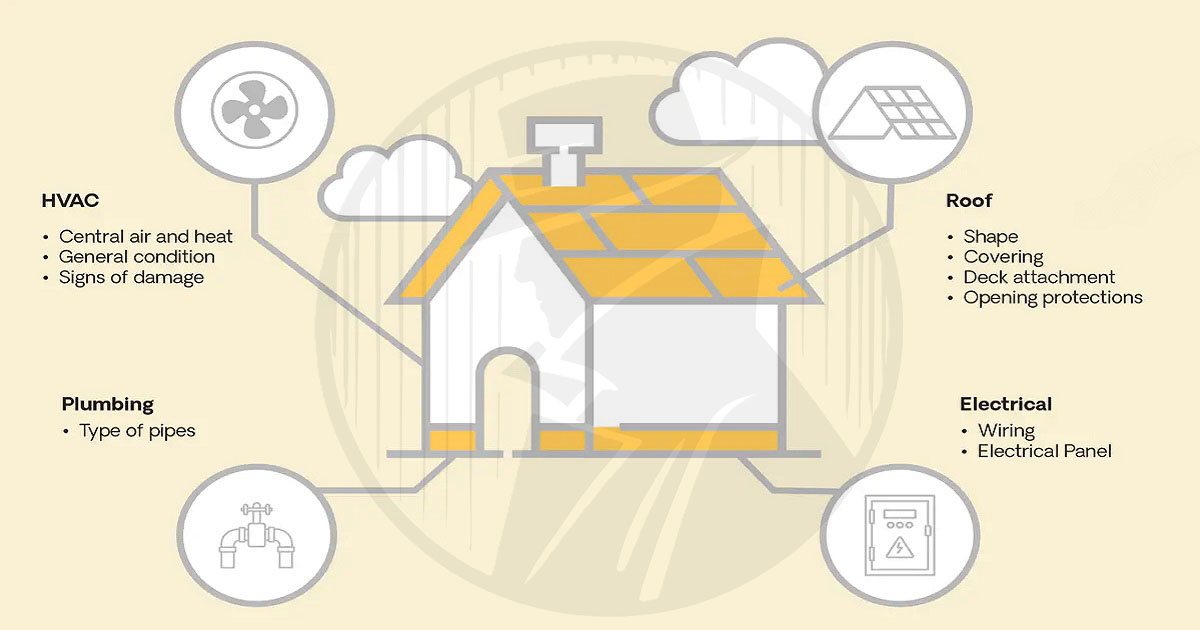
A 4-Point Inspection focuses on the four major systems that insurance companies care most about:
- Roof
- Electrical
- Plumbing
- HVAC (Heating, Ventilation, Air Conditioning)
Unlike a full home inspection, the 4-Point doesn't cover every aspect of the home — just these four critical systems.
Why Do Insurance Companies Require It?
Insurance companies use 4-Point inspections to assess risk. Older homes (typically 25+ years) are more likely to have:
- Outdated electrical panels (like Federal Pacific or Zinsco)
- Aging roofs more susceptible to storm damage
- Polybutylene or galvanized plumbing prone to leaks
- Inefficient or failing HVAC systems
The inspection helps them decide whether to insure your home and at what rate.
What Does Each Section Cover?
1. Roof
- Age and condition of shingles/tiles
- Signs of damage or wear
- Estimated remaining lifespan
- Recent repairs or replacements
2. Electrical
- Panel type and condition
- Wiring type (aluminum vs. copper)
- Amperage capacity
- Visible safety hazards
3. Plumbing
- Pipe material (copper, PVC, PEX, etc.)
- Water heater age and condition
- Signs of leaks or corrosion
- Main shut-off valve location
4. HVAC
- Age and type of system
- Cooling capacity vs. home size
- General condition and maintenance
- Heat source type
How to Prepare
To ensure a smooth inspection:
- Make sure all systems are accessible
- Have maintenance records ready if available
- Replace HVAC filters
- Clear area around electrical panel
What Happens If You Fail?
You can't really "fail" a 4-Point, but insurers may decline coverage or require repairs for:
- Roofs over 20-25 years old
- Federal Pacific, Zinsco, or fuse panels
- Polybutylene plumbing
- Non-functional HVAC
If issues are found, you may need to make repairs before obtaining bindable reports for insurance.